From the Booth to the Bar to the Big Questions: VelaFi at Stablecon USA 2026

Key takeaways
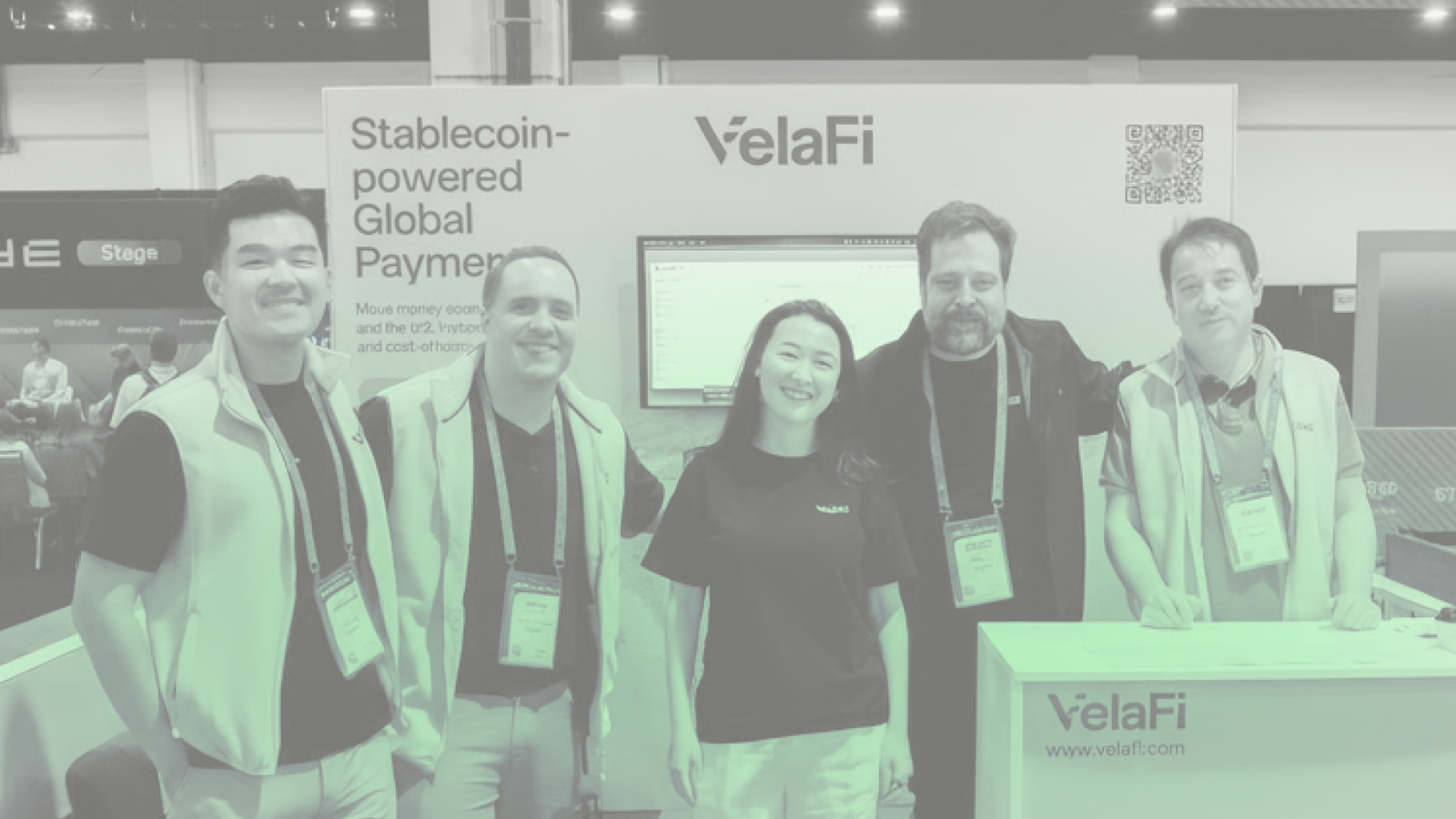
- VelaFi spent September 9 and 10 at Stablecon USA 2026 in Washington, D.C., at Booth 410 and on stage.
- VelaFi co-hosted the opening reception at Harbor Social with BVNK by Mastercard, OpenFX, Capital Layer and zerohash.
- CEO Maggie Wu spoke on “The Dollar Is Not the Product” panel and recorded a Money Code LIVE episode with Stablecon President Sanjib Kalita.
- Her view: moving funds on-chain is the easy part. Compliance, licensing and connecting to local banking systems are the hard part.
- Speakers from Circle, Fireblocks, Yellow Card and OpenFX agreed the bottleneck is implementation, not technology.
Stablecon USA 2026 drew more than 1,200 people to Washington, D.C. Builders, regulators, and institutions were all circling the same question: how does stablecoin infrastructure actually get adopted at scale, not just talked about? VelaFi spent September 9–10 in the middle of that conversation: at Booth 410, on the stage, and hosting one of the week’s opening nights.
The right conversations at Booth 410
We weren’t chasing foot traffic at the booth. We were chasing the right conversations, and found plenty. Fellow builders, commercial prospects across importers, PSPs and fintechs, and press covering the space all stopped by.
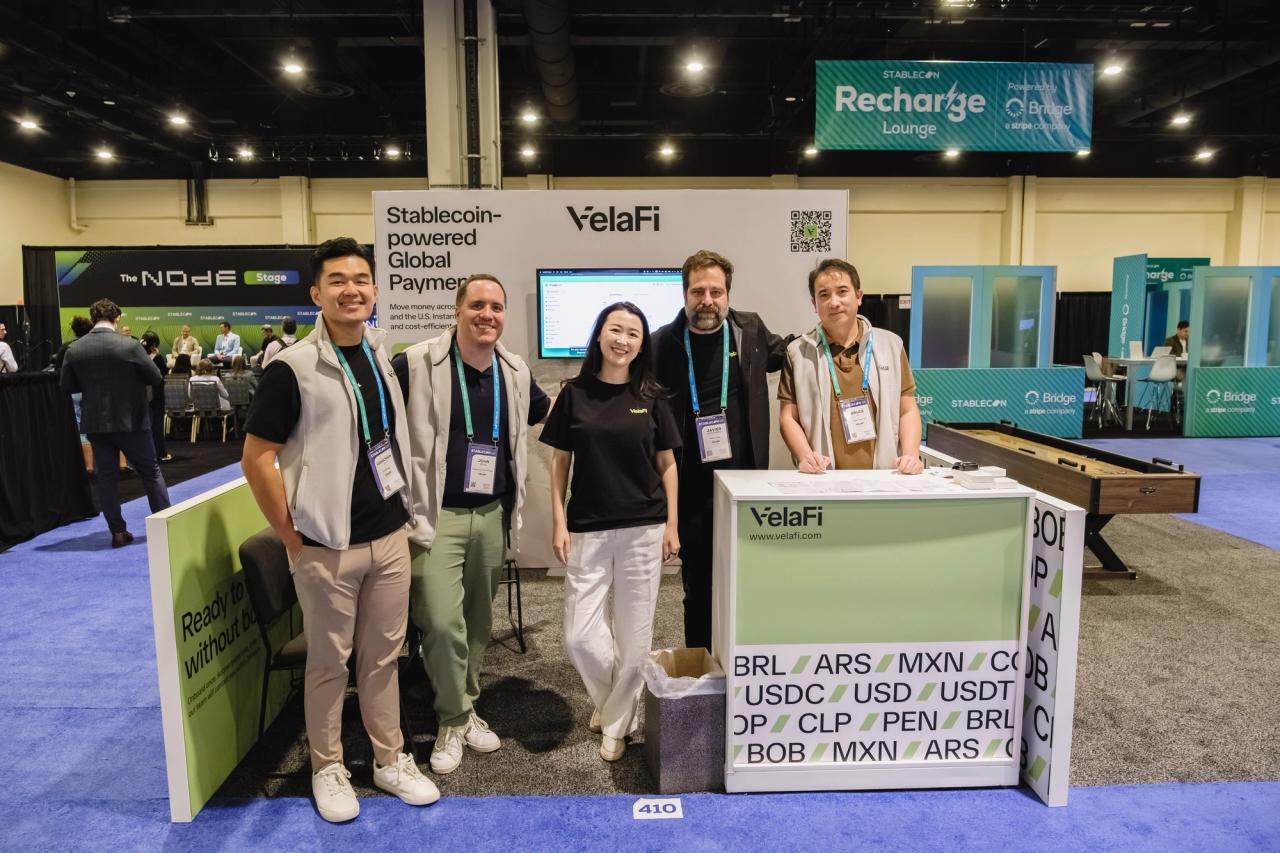
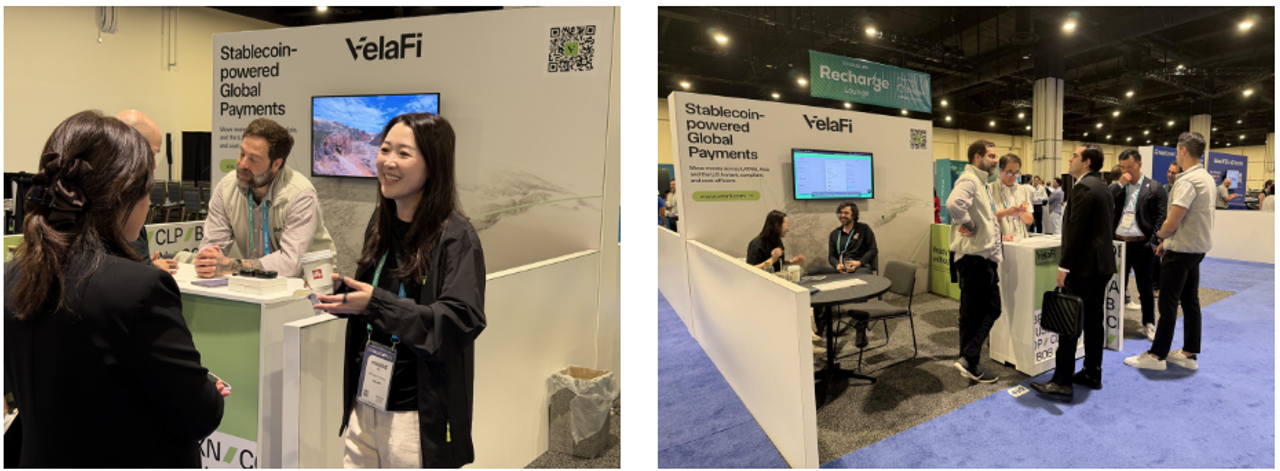
Some of the best moments were reconnections, partners picking up right where we left off. Some clients had flown in from Asia specifically to meet us in person, which tells you how real the demand across the Asia–LatAm–US corridor has become.
An opening night built around infrastructure
That energy started the night before at Harbor Social, where VelaFi co-hosted the Stablecon USA Opening Reception alongside BVNK by Mastercard, OpenFX, Capital Layer, and zerohash. Five teams building stablecoin money-movement infrastructure came together in one room. The conversations focused on corridors, compliance models, and where meaningful volume is already moving, creating promising follow-ups for the months ahead.
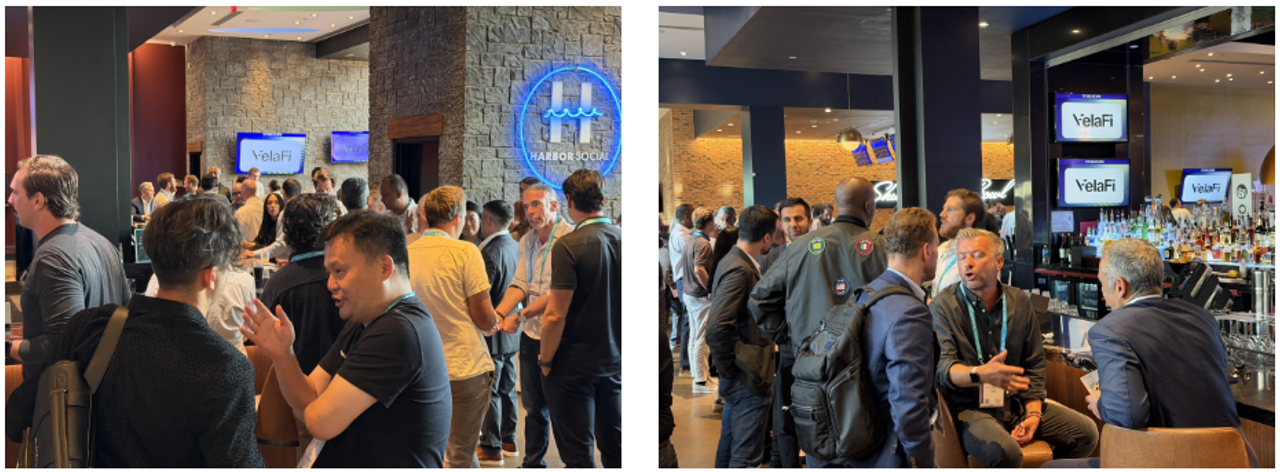
What we brought to that reception was six years of work figuring out how money could move better between Asia, Latin America, and now the US. Nobody was debating why stablecoins anymore. That question is settled. What's left is how smooth the last mile is, and who builds it.
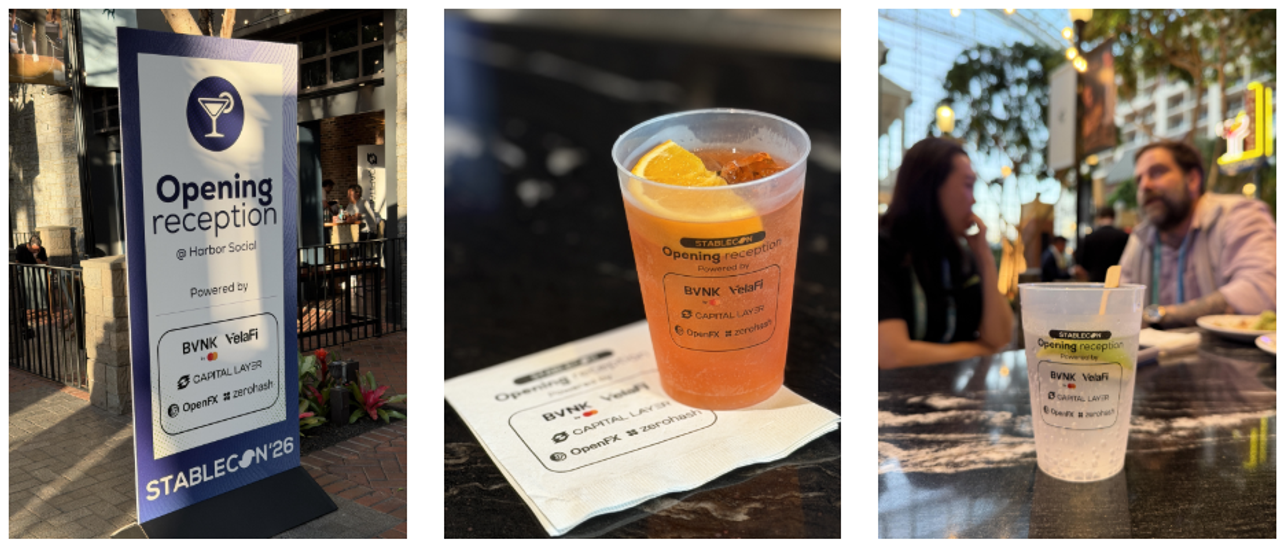
The dollar is not the product
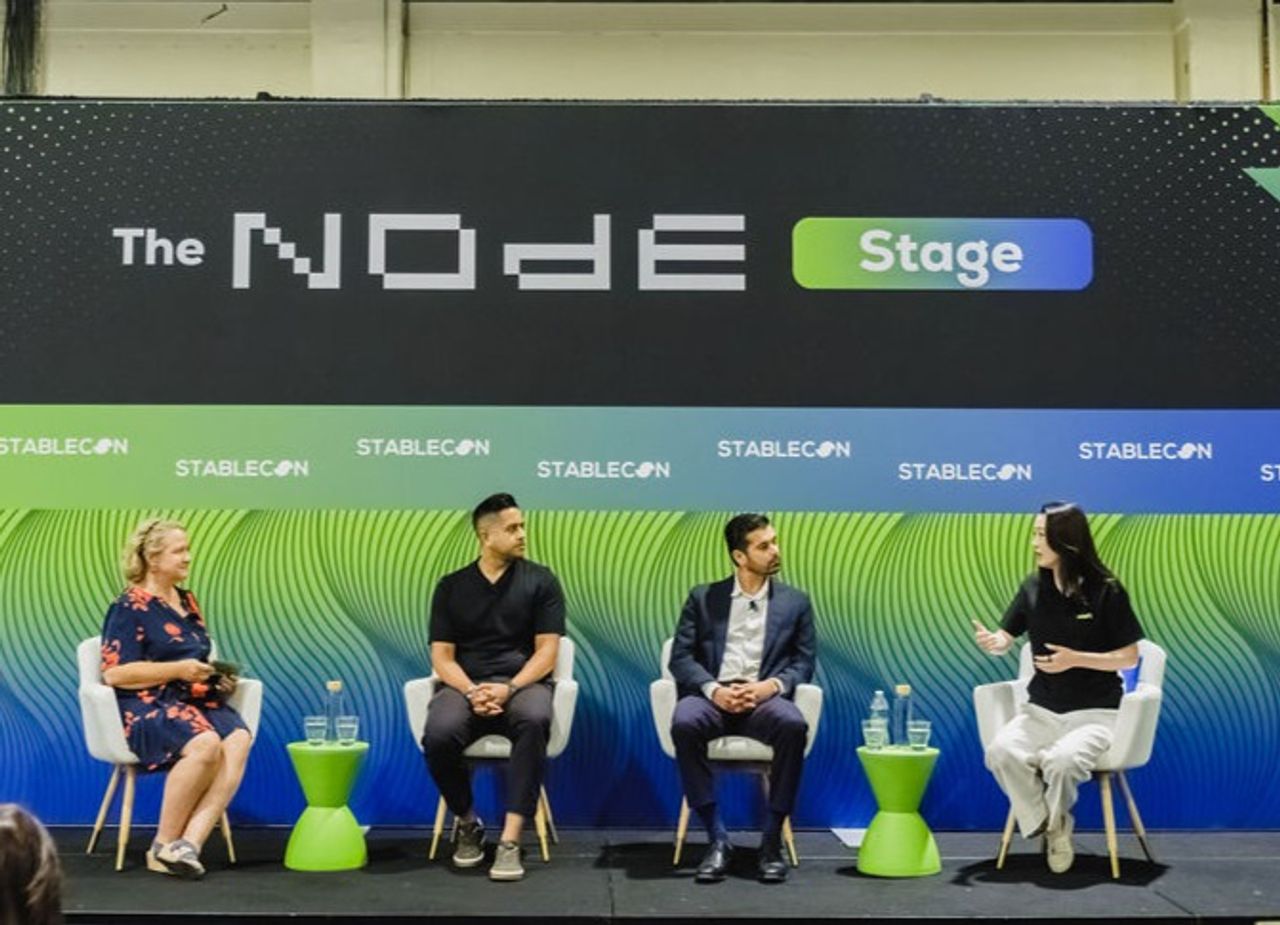
The Node Stage picked up right where the reception left off. The panel title put it bluntly: “The Dollar Is Not the Product.” Our CEO and Co-Founder, Maggie Wu, joined Bhau Kotecha of Paxos Labs and Vroon Modgil of Sokin, moderated by Rachel Morrissey of Stablecon, for a conversation on stablecoin treasury, FX, and B2B settlement in emerging markets.
If the dollar isn't the product, what is? Maggie's answer wasn't about the technology. It was about the problem underneath it. Stablecoins are the foundation, she said, but VelaFi's focus is narrower: their application in payments, built around friction specific to businesses in Latin America and Asia navigating different currencies, banking systems, and payment networks every time they move money across a border. Moving funds on-chain is, in her words, the easy part. The hard part is compliance and licensing, connecting those on-chain funds back into the domestic financial system, market by market. It's why VelaFi leaned into direct local infrastructure, its own licenses, banking relationships, and payment channels, instead of stitching together third-party providers. And it's why demand isn't just coming from fintechs anymore: importers, logistics companies, and e-commerce platforms are showing up looking for the same thing.

Building across markets and regulatory regimes
Beyond the panel, Maggie also sat down with Sanjib Kalita, President of Stablecon, for a one-on-one episode of Money Code LIVE, a longer, more personal conversation starting with her own story: what pulled her into blockchain nearly a decade ago, and why she chose to build specifically around Latin America, a market everyone agrees has real demand and everyone agrees is genuinely hard to operate in.
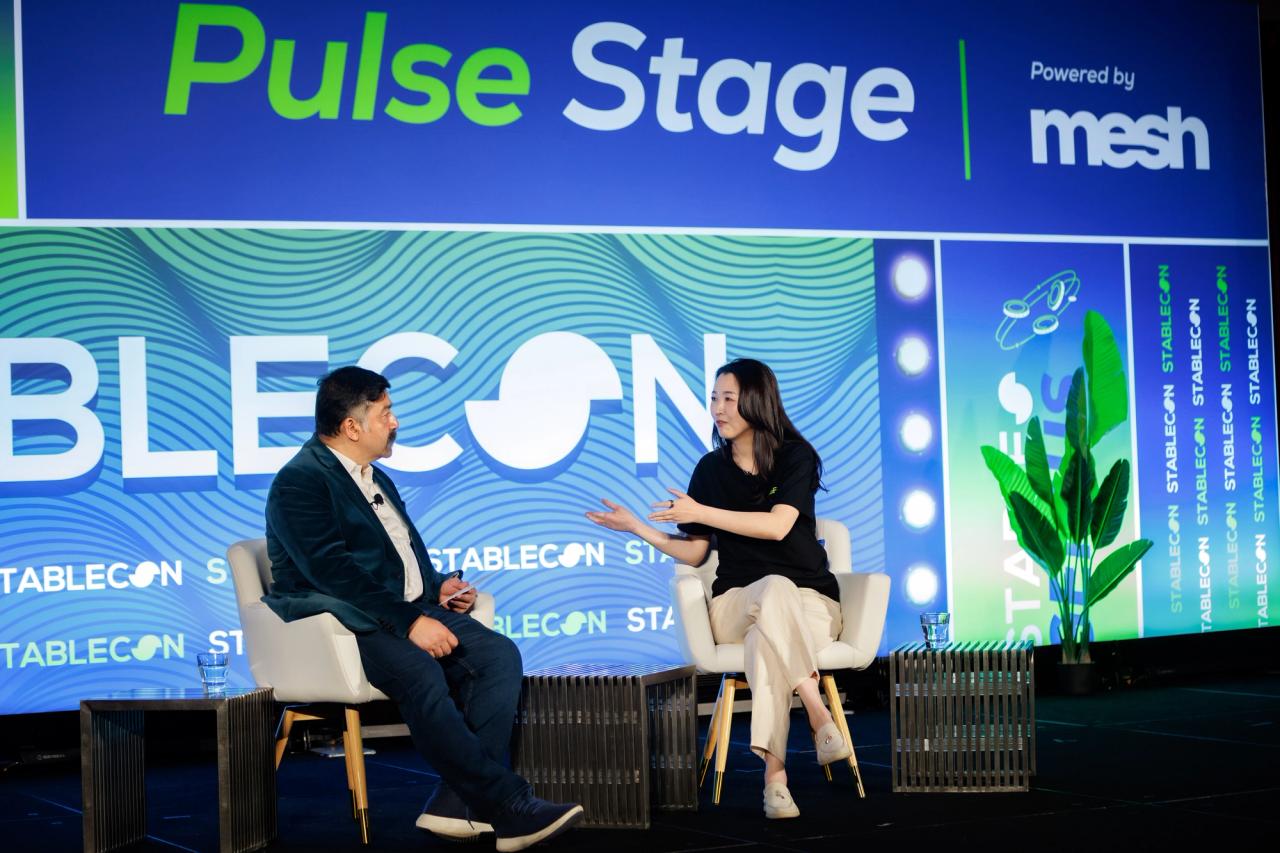

From there, the conversation was built to go further out: which business use cases, cross-border B2B payments, treasury, global payouts, are actually showing product-market fit versus which ones just sound good in a pitch, and where she thinks global payments are headed over the next five years.
The real bottleneck is implementation
Across the conference, speakers repeatedly returned to the same implementation challenge. Dante Disparte from Circle argued that passing the GENIUS Act was the easy part, but the real challenge is implementation. A few seats over, Michael Shaulov from Fireblocks had numbers to support a similar point: 84% of companies have committed stablecoin budgets, but only 16% are actually in production, because the constraint is no longer issuance; it is control. Chris Maurice of Yellow Card and Prabhakar Reddy of OpenFX reached the same conclusion from different directions: the bottleneck was never the technology. It is banking access, local liquidity, and the underlying infrastructure (FX, compliance, and settlement) that a faster front end cannot fix.
FAQ
1. When and where was Stablecon USA 2026?
Stablecon USA 2026 took place in Washington, D.C., on September 9 and 10, 2026. More than 1,200 people from finance, fintech, policy and technology attended.
2. What did Maggie Wu say on “The Dollar Is Not the Product” panel?
She said moving funds on-chain is the easy part. The hard part is compliance, licensing and connecting those funds back into each market’s domestic financial system. The panel covered stablecoin treasury, FX and B2B cross border payments in emerging markets.
3. Why does VelaFi build its own local infrastructure?
The hard part of stablecoin payments is connecting on-chain funds to each domestic financial system, market by market. That’s why VelaFi runs its stablecoin payments platform on its own licenses, banking relationships and payment channels instead of third-party providers.
4. Why does VelaFi focus on Latin America?
Latin America has real demand for better business payments, and it’s hard to operate in. Every cross-border payment in Latin America deals with different currencies, banking systems and payment networks, and that friction is what VelaFi builds around.
5. Which businesses are adopting stablecoin payments?
Demand no longer comes only from fintechs. Maggie Wu said importers, logistics companies and e-commerce platforms now come to VelaFi looking for the same thing.
6. What was the main theme of Stablecon USA 2026?
Implementation. Speakers from Circle, Fireblocks, Yellow Card and OpenFX said the technology works, and the bottleneck is banking access, local liquidity, FX, compliance and settlement.